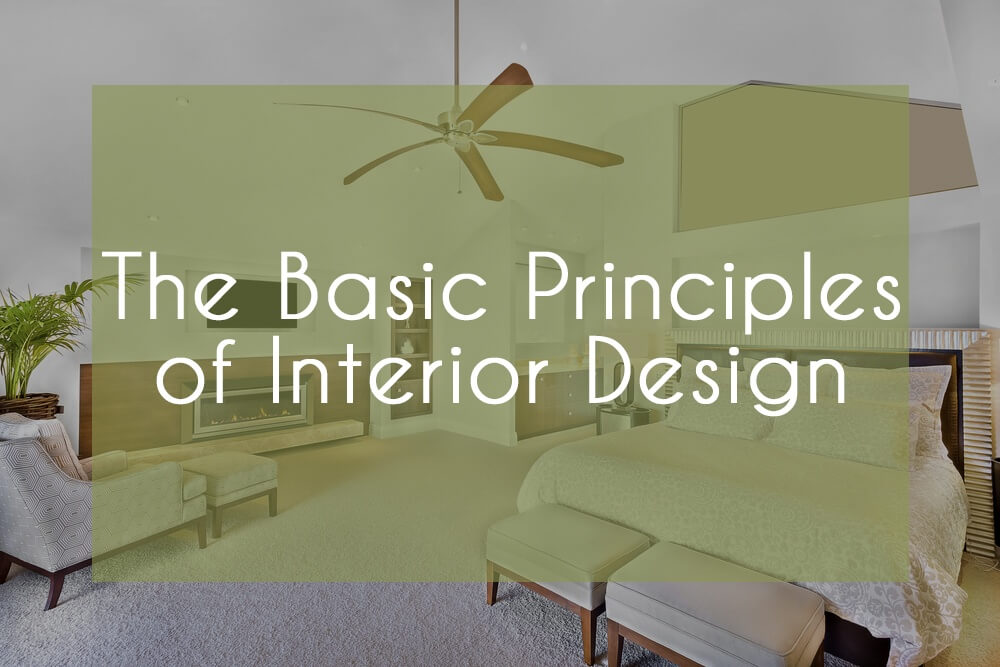
When a designer understands the principles of interior design, they can transform a simple space into an exceptional one. These principles help designers visualize how individual elements come together to form a cohesive and attractive design. Every design model gains appeal when these fundamentals are applied correctly.
Balance
Balance is essential in interior design because it creates a sense of visual stability. It ensures that elements within a space feel evenly distributed, creating harmony within the composition.
Balance applies not only to shapes, but also to colors, patterns, and textures. There are three main types of balance used in interior design: symmetrical balance, asymmetrical balance, and radial balance.
Rhythm
Rhythm in interior design works similarly to rhythm in music. It creates visual interest through repetition and contrast, guiding the viewer’s eye around a space.
Designers achieve rhythm by repeating shapes, colors, or patterns at varying intervals. For example, a color used in bedding may be echoed in lampshades and artwork, creating a continuous visual flow throughout the room.
Harmony
Harmony is achieved when all design elements work together to communicate a unified theme. It creates a sense of completeness and visual satisfaction.
Designers can create harmony by limiting color palettes or by ensuring consistency in shapes, sizes, and textures. When elements relate well to each other, the overall design feels intentional and pleasing.
Emphasis
A space where every element has equal importance can feel overwhelming or dull. Emphasis introduces a focal point that anchors the design.
Architectural features such as windows, fireplaces, or statement walls often serve as natural focal points. Designers enhance these areas by arranging furniture around them or by introducing bold or unique elements to draw attention.
Proportion and Scale
Proportion refers to the relationship between the sizes of different elements within a space, while scale relates to how objects fit within the overall room.
For example, placing oversized furniture in a small room can disrupt balance and comfort. Certain proportions feel more visually satisfying than others.
The concept of the golden ratio, developed in ancient Greece, reflects naturally occurring proportions found in nature. This principle has been widely used by artists and architects to create balanced and aesthetically pleasing designs.